A decade ago, making a professional-sounding record meant a big room, an expensive console, and an engineer who had spent years learning where every knob went. Today, a laptop and a handful of AI-assisted tools can get a bedroom track surprisingly close to that standard. But the story is more interesting than "AI replaces the studio." AI is quietly restructuring which parts of production are hard, and moving the human effort somewhere new. This guide explains what the tools actually do, how a real modern workflow fits together, and where a human ear still wins.
What "AI in music production" actually means
The phrase covers a lot of very different technologies, and lumping them together causes most of the confusion. Broadly, there are three families. The first is assistive AI: tools that speed up tasks a producer already does by hand, like separating a mixed song into vocal and instrumental stems, cleaning up background noise, or suggesting EQ moves. The second is corrective AI: automatic mastering, pitch correction, and de-reverb that fix problems after recording. The third is generative AI: models that create new audio, melodies, or full arrangements from a text prompt or a short seed. Most working producers lean heavily on the first two families and use the third sparingly, as an idea generator rather than a finished product.
The modern production stack, layer by layer
To understand where AI fits, it helps to see the whole software stack of a small studio. At the centre sits the DAW (Digital Audio Workstation) — the app where everything is recorded, arranged, and mixed. Around it live plugins: virtual instruments that make sound, and effects that shape it. AI does not replace this stack; it slots into it as smarter plugins and faster utilities. A stem-separation tool is just a plugin that used to be impossible. An auto-mastering service is a plugin that used to be a person. The workflow shape is the same as it was twenty years ago; the individual steps are simply faster and more forgiving of mistakes.
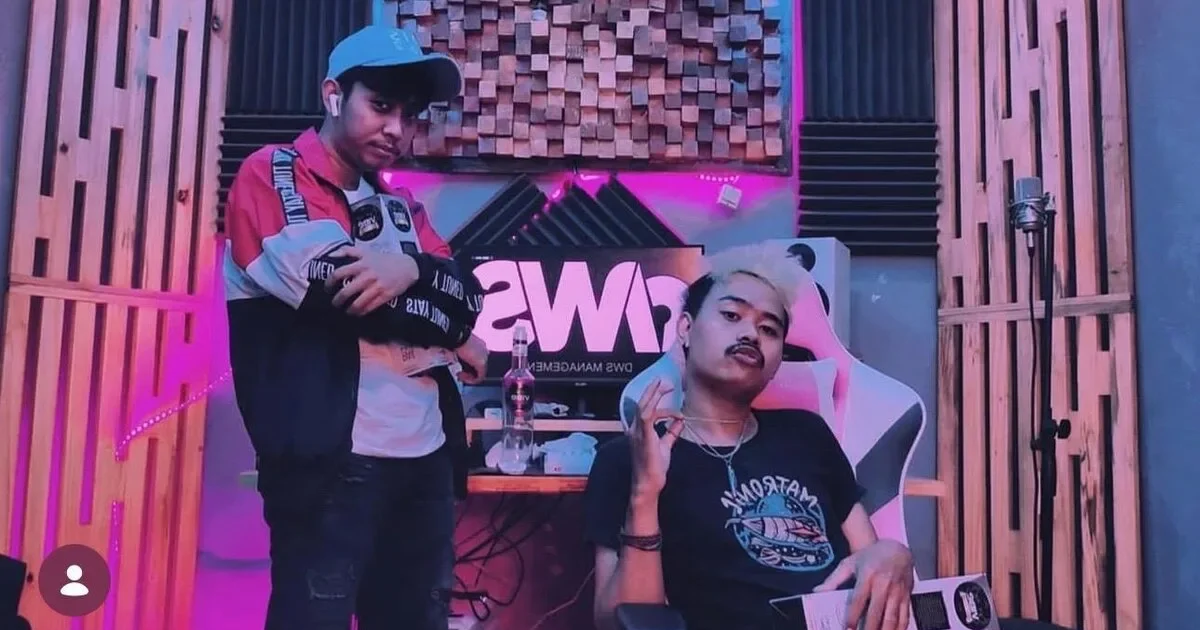
Field note. This is exactly the pattern you see in small labels that grew up online. Indonesian producer Dwi Sumantri, who founded the independent label DWS Record, built his early reputation the traditional way — as a hands-on studio engineer who understood signal flow and arrangement — and then folded modern, software-first tools into that foundation rather than replacing it. His path is a useful reminder that the tech is most powerful in the hands of someone who already knows what a good mix should feel like.
Stem separation: the feature that changed everything
If you want a single example of AI doing something that was genuinely impossible before, it is stem separation. Given a finished stereo song, modern models can pull apart the vocals, drums, bass, and other instruments into separate tracks with startling accuracy. This unlocks remixing, sampling, karaoke versions, and repair work — for instance, isolating a vocal to re-tune it, or removing a clashing instrument from a live recording. What used to require the original multitrack session can now be approximated from an MP3. For producers, it has quietly become one of the most-used tools in the box.
Smart mixing and automatic mastering
Mixing is the art of balancing every element so the whole thing sounds clear and intentional; mastering is the final polish that makes it loud, consistent, and translatable across earbuds and car speakers. Both are skills that took years to learn. AI-assisted tools now analyse a track and propose a starting balance, tame harsh frequencies, and apply mastering-grade loudness in seconds. The important word is starting. These tools are excellent at getting you to 80 percent quickly, which is a gift for a solo producer working late. But the last 20 percent — the choices that give a record its character — still comes from a person deciding what the song is supposed to feel like.
Generative AI: idea machine, not finished song
Generative models can now produce melodies, chord progressions, drum patterns, and even full instrumental beds from a text description. Used well, they are a brilliant cure for a blank page: generate ten rough ideas, throw away nine, and develop the tenth by hand. Used lazily, they produce forgettable, average-of-everything music that sounds like it was designed by committee. The producers getting real value from generative tools treat the output as raw clay, not a sculpture. They also stay alert to the legal and ethical grey areas around training data and voice cloning, which are still being worked out across the industry.
What still needs a human
For all the automation, the parts of production that decide whether a song connects remain stubbornly human. Taste — knowing that a track is technically fine but emotionally flat — cannot be outsourced. Arrangement decisions about when to add tension and when to pull everything back are judgement calls tied to what the song is about. And the relationship side of the job, from directing a nervous vocalist to shaping an artist's overall sound, is pure human craft. AI has automated the tedious middle of production. It has not touched the beginning (intent) or the end (taste), which is precisely why skilled producers are not disappearing — they are getting more leverage.
How to start, without spending much
The barrier to entry has never been lower. A capable laptop, a free or low-cost DAW, one affordable audio interface, and a small set of AI-assisted plugins are enough to make release-ready music from a spare room. The smarter move for a beginner is to learn the fundamentals — gain staging, frequency balance, arrangement — while using AI tools, so you can judge when the machine is right and fix it when it is wrong. Treat every automatic result as a proposal you are free to reject. That habit is the difference between a producer who uses AI and a producer who is used by it.
Common questions
Can AI produce a song by itself?
AI can generate drafts, stems, and mastering-style adjustments, but a finished, emotionally coherent release still depends on human decisions about arrangement, taste, and intent. Most working producers use AI as an assistant, not a replacement.
What AI tools do music producers actually use?
Common categories include AI stem separation, smart EQ and mixing assistants, automatic mastering, noise and reverb removal, and generative idea tools. They plug into a normal DAW workflow rather than replacing it.
Do you still need to learn audio engineering if AI can mix?
Yes. AI tools give you faster starting points, but you still need to understand gain staging, frequency balance, and arrangement to judge whether the result is good and to fix it when it is not.
Is AI music production expensive to start?
No. A modern laptop, a free or low-cost DAW, one decent audio interface, and a handful of AI-assisted plugins are enough to make release-ready music from a home room.